Will Salem-Keizer School Closures Affect Your Home Value?
TL;DR
School closures in Salem-Keizer Public Schools could affect home values in affected neighborhoods, but no schools have been named yet, the list arrives October 13, 2026, with a final board vote December 8. Research from other districts shows closures can decrease nearby property values by 6-13%, but the effect varies widely by market, neighborhood, and timeline, and nobody should make buying or selling decisions based on rumors before the official list exists.
- No specific schools have been identified for closure; speculation on social media and neighborhood pages is not confirmed information.
- The district may close up to eight of 42 elementary schools due to enrollment decline from 40,000 to 35,000 students.
- Real estate effects depend heavily on your specific street, your home's condition, your actual timeline, and current market data, not district-wide averages.
- Verify your home's school assignment directly with Salem-Keizer Public Schools, not listing sites, before making any decisions.
- If your timeline is three-plus years out, wait for the October 13 list; if you're selling this year, price based on current comps, not rumors.
Short answer: probably, in some very specific pockets, but nobody knows which pockets yet, and the size of the effect depends far more on your street, your school's boundary, and your timeline than on the closure announcement itself. Salem-Keizer Public Schools has said it may close up to eight of its 42 elementary schools before the 2027-28 school year, but no list exists as of this writing, and won't until October 13. I'm getting calls and texts about this almost weekly right now, so I wanted to walk through what's actually known, what the research says about closures and home values in other districts, and how I'd think about it if it were my own street.
What Salem-Keizer Actually Announced (and What's Still Undecided)
The district's enrollment has dropped from more than 40,000 students to roughly 35,000, and officials have said they no longer need to operate as many buildings as they currently do (OPB). That decline is the driver behind a proposal to close up to eight elementary schools, which would mean nearly 20% of the district's elementary campuses could be affected (KGW).
Here's the part I want to be really clear about: no schools have been named. If you've heard a specific school mentioned on a neighborhood Facebook page or from a friend of a friend, that's speculation, not information. I wrote up the full list of schools under consideration once the process actually produces one, but as of today that list doesn't exist.
On September 8, the School Board approved 11 factors that district officials must weigh when recommending which schools to close (Salem Reporter). That's a meaningful step, but it's a framework for making the list, not the list itself.
The Timeline: From the October 13 List to the December 8 Vote
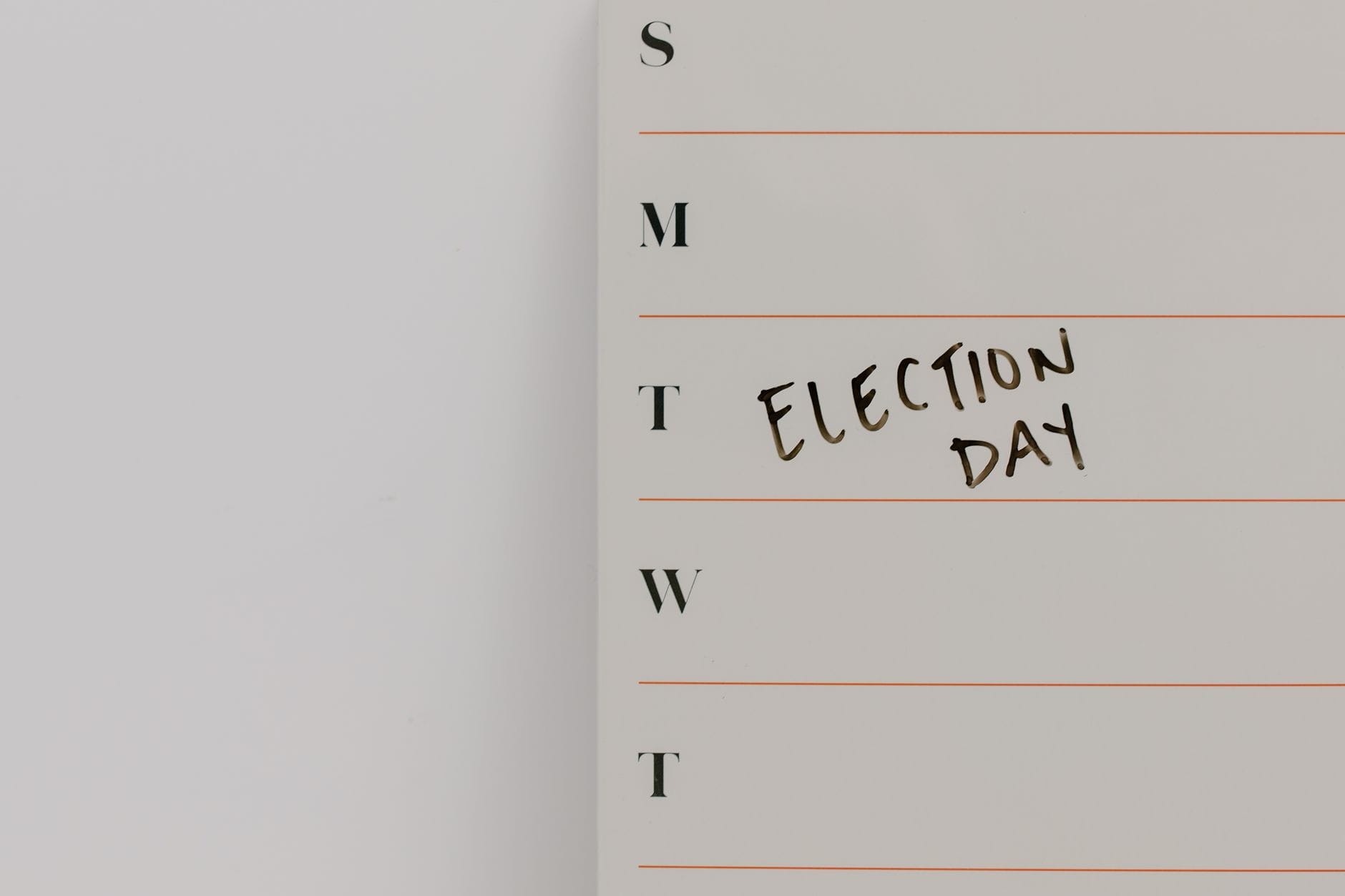
Two dates matter here, and I'd write both of them down:
- October 13, 2026: proposed closure list expected to be released
- December 8, 2026: final School Board vote (NBC16)
That means anyone acting today, whether buying, selling, or just deciding whether to worry, is acting on zero confirmed data about which specific schools are on the list. I'd treat anything between now and October 13 as planning time, not decision time.
What Happens to Home Values When a School Closes?
This is where I think most coverage of this story stops short. The local articles all repeat the same facts (up to eight schools, enrollment decline, October list, December vote), which is useful, but nobody has connected it to what actually happens to nearby home values when a school closes elsewhere. So I went looking.
A 2021 Michigan State study found that a school closure resulted in a 13% decrease in residential property value in the affected attendance area. A separate 2017 Iowa study found the opposite effect while a school was open: proximity to a school added 6.8% to home values within that attendance zone, value that then disappeared once the school closed (Reaching Higher NH).
Two different studies, two different measurements, but they're pointing at the same underlying idea from two angles: a school closing can measurably affect nearby values, but the size of that effect varies a lot by market, and it isn't universal or permanent in every case. I wouldn't treat either number as a prediction for what will happen here. I'd treat them as evidence that this is worth paying attention to, without assuming the worst.
It's also worth knowing that Salem-Keizer has done this before. The district closed five rural elementary schools during budget cuts between 2008 and 2014, which is the only prior precedent we have at this scale (Keizertimes). I haven't seen anyone revisit what happened to home values in those specific attendance areas afterward, and honestly, I couldn't verify a local study on that either. If one exists, I'd want to see it before drawing conclusions from our own history.
Why This Plays Out Street by Street, Not District-Wide
I say this about market reports every month, and it applies here too: real estate is hyper-local. A $350,000 Keizer starter home behaves differently than an $800,000 South Salem property, and a closure in one attendance zone won't move the needle the same way in a completely different part of town.
If a school on a hypothetical list serves a neighborhood with a lot of newer construction and steady demand, buyer interest might barely blink. If it serves an area where that school was one of the more attractive features tied to a specific subdivision, you could see a temporary dip in showings or a slower pace of offers while buyers wait to understand the new boundary lines. Both of those are plausible. Neither is guaranteed. This is exactly why I wouldn't apply a national average, or even our own 2008-2014 history, as a blanket prediction for every neighborhood in this round.
If you're trying to get a sense of how different parts of town compare on price, lot size, and amenities right now, independent of any closure talk, I'd point you to my breakdowns of Keizer neighborhoods and Salem neighborhoods. Those guides focus on home styles, price ranges, and features, not school rankings, because I don't rank schools by area and I don't think anyone should.
What I'm Hearing From Buyers and Sellers Right Now
The conversations I'm having this month fall into a few buckets. Buyers who are actively house hunting want to know if they should avoid certain attendance zones altogether, even though there's no list yet to avoid. Homeowners in areas that have come up in rumor (again, unconfirmed) are asking whether they should sell now, before any announcement, just in case. And a few sellers who are not anywhere near a rumored zone are asking whether they should raise their price because of it.
My honest answer to all three groups has been the same: I don't have a reason to change pricing or timing strategy based on a rumor, and neither do you. Right now, the Salem-Keizer market itself is giving us plenty of real numbers to work from. Current inventory, days on market, and list-price-received percentages are all things you can actually verify today, and they matter a lot more to your outcome than a list that doesn't exist yet. If you want to see where the overall market stands, I update that every month.
None of this means the closure question doesn't matter. It means I'd rather make decisions off verified information than off anxiety, the same way I'd rather work an inspection report line by line than panic at the page count.
If You're in a Candidate Neighborhood: A Simple Way to Think This Through
I built a short self-guided checklist for this exact situation, because I think the anxiety right now needs somewhere useful to go instead of just circulating on social media. The logic behind it is simple, and you can walk through it by hand:
- Are you buying, selling, or just researching right now?
- Is your home, or the home you're looking at, in an attendance zone that's been mentioned as a possible candidate?
- What's your real timeline: moving this year, in one to three years, or five-plus years out?
- Have you verified your specific address's school assignment directly with Salem-Keizer Public Schools, not through a listing site?
- Is the closure question actually driving your decision, or are job, family size, or budget the bigger factors?
Here's a hypothetical example of how that plays out. Say you're a homeowner in a Keizer attendance zone that's come up in one rumor, but your realistic timeline is three to five years out and you haven't yet checked your assigned school directly with the district. In that scenario, the answer isn't to list your house this month. It's to wait for the October 13 list, verify your address with the district once it's out, and revisit the question then, because national research shows closure effects on value vary widely and often fade over a two to five year period. If your timeline were this year instead, my advice would shift to pricing off current comps and your home's actual condition, not off a rumor that may never become reality.
In every version of this, the ending is the same: verify directly with Salem-Keizer Public Schools before you make a decision based on a school assignment or a closure rumor. Not a listing site, not a social media post, the district itself.
Frequently Asked Questions
Has any specific elementary school been announced for closure? No. As of today, no schools have been named. A proposed list is expected October 13, 2026, with a final board vote December 8, 2026.
Should I sell my house now because of the closure rumors? I wouldn't make that decision off a rumor. I'd look at your actual timeline, your home's condition, and current market data first.
Will closing a school automatically lower nearby home values? Not automatically. Outside research shows measurable effects in some markets, but the size and permanence of that effect varies, and no local list even exists yet to react to.
How do I find out my home's actual school assignment? Contact Salem-Keizer Public Schools directly rather than relying on a listing site, especially while boundary decisions are still in process.
Does this affect how school quality factors into a buying decision right now? It's a fair question to weigh alongside everything else. I've written more on how school quality factors into home buying decisions if you want a broader framework for that conversation.
One More Thing
I've lived in Keizer for more than 35 years, and I remember when the last round of school closures happened here. It was hard on the families and staff directly affected, and I don't want to minimize that by turning it into a purely financial conversation. But I also don't think fear should drive a home buying or selling decision any more than a scary headline should. My advice this month is the same as it's been for every long inspection report I've ever worked through: find out what it actually means, what it might cost you, and whether it's reasonable to act on right now, or whether it's reasonable to just wait for real information. If you're weighing a move because of this and want to talk through your specific street, your specific timeline, or just get a second opinion before October 13, I'm happy to have that conversation with you, no pressure, just information. You can reach out anytime through my Linktree to talk through your options with a local real estate agent.

Hannah Fouts-Sparks
Broker, Sparks Property Group at SMI Real Estate. Licensed in Oregon. Serving Keizer, Salem, and the Willamette Valley.
Hannah@SparksPropertyGroup.com · 971.218.6225
Connect with Sparks Property Group ↗



Member discussion