VA Loans in Salem-Keizer: What to Confirm Before You Offer

TL;DR
What do veteran buyers need to know before making a VA loan offer in Salem or Keizer? Obtain your Certificate of Eligibility, confirm funding fees with a VA-approved lender, and plan for well or septic appraisals.
- VA appraisals check Minimum Property Requirements for safety and functionality, not aesthetics.
- Keizer properties often need water quality tests and septic certifications, requiring longer appraisal contingencies.
Honestly, you do not need to understand funding fee tiers or entitlement math before you write an offer on a house in Salem or Keizer. That math belongs to a VA-approved loan officer. Not to you, and not to me.
Your job as the buyer is simpler than most VA loan guides make it sound. Know what documents you need to start. Make sure your agent builds the VA appraisal timeline, plus any property-specific wrinkles like a well or septic system, into the contract from day one.
Most of the articles on this topic treat a veteran buyer like someone who has to self-study a funding fee table before they are ready to talk to anyone. That is backwards.
A licensed loan officer runs that math for your file, your entitlement history, and your specific loan amount. I am not a loan officer and I do not originate loans, so I am not going to hand you a percentage and call it advice.
I can walk you through how the pieces fit together on an actual Salem or Keizer purchase, and which questions go to your lender versus which ones go to me.
What Eligibility Actually Requires
VA loan eligibility starts with your service record and ends with a document called a Certificate of Eligibility, or COE. The COE is what proves to a lender that you qualify for the benefit at all.
You can request it yourself through the VA, or your loan officer can usually pull it for you once you give them your service information. Either way, this is step one, before you tour a single house.
If you are a first-time VA buyer, that COE process is new territory. If you have used your entitlement before, on a prior home purchase, things get more specific. Your remaining entitlement, and whether any of it is tied up in a current loan, changes what a lender needs to confirm.
That is entitlement math. A loan officer should walk you through your specific numbers on that, not me guessing at a general rule that may not apply to your file as of this writing.
Zero Down and No PMI, But There Is Still a Fee
The two features that make VA loans different from a conventional loan are well known. You can often buy with no down payment, and you do not pay monthly mortgage insurance the way you would on a conventional loan under 20 percent down.
Most veterans do pay a one-time VA funding fee at closing. Some veterans are exempt, commonly those receiving VA disability compensation.
Here is where I will not pretend to have an answer I do not have. The exact funding fee percentage depends on your down payment amount and whether this is your first use or a subsequent use of your VA benefit. Those percentages are published and updated by the VA itself.
For the current number, go to VA.gov or your VA-approved loan officer. I am not going to quote something from a blog that could be out of date by the time you read it.
Confirm that with your lender before you assume what your closing costs will look like. Bring the question up at the same meeting where you talk through credit requirements for VA loans, because the two conversations usually happen together.
I can help most on the budget side of the equation.
Before you start touring homes, it is worth sitting down and running calculating your actual VA loan budget against what is actually listed in Salem and Keizer right now. A pre-approval number and a comfortable monthly payment are not always the same thing.
What the VA Appraisal Checks Beyond Price

A VA appraisal does two jobs at once. It confirms the home's value, the same as any appraisal would. It also checks the property against the VA's Minimum Property Requirements, often shortened to MPRs.
Those requirements exist to confirm the home is safe, sound, and sanitary before the VA will guarantee the loan on it. That second part is where a VA appraisal differs from a conventional one, and it is also where I earn my keep as your agent.
The VA appraiser is not grading paint colors or flooring choices. They are looking at things like a working heating system, a roof that is not actively failing, no exposed wiring, safe access, and functioning water and sewage systems.
If something fails that check, it typically has to be addressed before closing. Who pays for that repair is a negotiation, not an automatic obligation on the seller. That negotiation is exactly the kind of line-by-line work I handle for you, so you are not figuring it out mid-transaction.
Keizer's Larger Lots Add a Step Most Buyers Do Not Expect
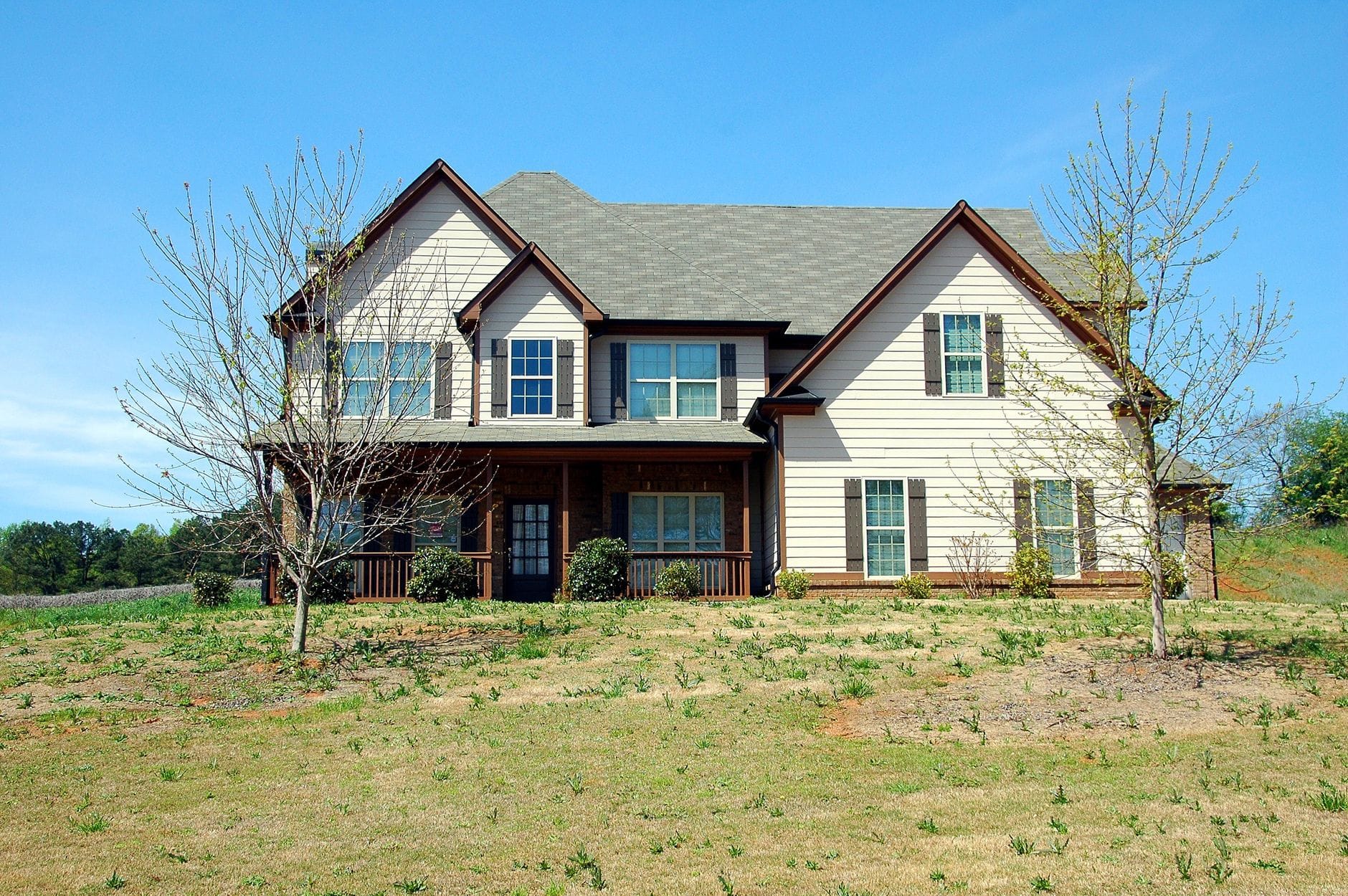
This is the part that generic VA guides skip entirely, and it matters a lot if you are looking in Keizer specifically. Keizer's edges include larger lots, and a meaningful number of those properties run on well water, a septic system, or both, rather than city water and sewer.
That is not a red flag. It is just a property type that comes with its own documentation requirements.
On a VA appraisal, a well typically needs a water quality test, and a septic system typically needs a certification confirming it is functioning properly. Those steps take time to schedule and time to get results back. They are not something your lender controls the pace of.
If you fall in love with a Keizer property that sits on well and septic, the single most useful thing I can do as your agent is build that extra time into your appraisal contingency up front, instead of discovering the timeline is too tight after the fact.
That is why I go through VA appraisal contingencies in your offer line by line before you sign anything. The standard contingency window written for a city-water, city-sewer home in South Salem is not automatically the right window for a Keizer property with its own well.
I would never assume a well or septic system is fine just because the seller says it has always worked or the neighbors have never had an issue. That is the same instinct I bring to property lines and fences.
I would rather ask an extra question and get the actual test or certification in hand than assume something is fine and find out later it was not.
Does a VA Offer Actually Compete Here
You will hear, a lot, that sellers avoid VA offers because the appraisal is too strict or because VA buyers cannot compete with cash. I would push back on that as a blanket rule.
In August 2026, Salem-Keizer closed sales at 99.7 percent of list price with a median of 58 days on market, according to WVMLS data. Those are not numbers from a market where sellers are desperate enough to reject a well-qualified buyer outright just because of the loan type.
A home selling close to full price in a market with moderate days on market is a market where a strong, clean VA offer with a responsive lender still competes.
The thing that actually weakens a VA offer is the same thing that weakens any offer: a loose timeline, an unresponsive lender, or an agent who has not prepared the seller's side for what an MPR item might look like if one shows up.
I would rather have that talk with the listing agent before an offer is even written than let a seller assume the worst about VA financing based on a rumor.
If you want the fuller picture of where Salem and Keizer stand right now, I break it down monthly in current Salem-Keizer market conditions for VA buyers and every other buyer type.
A Readiness Checklist, Not a Funding Fee Calculator
Here is the formula I would use with a veteran buyer before we write anything. Readiness is not about having the funding fee memorized. It is about having the right answers ready for the right people.
The checklist comes down to four questions.
- Is this your first or a subsequent use of your VA loan benefit? This determines which funding fee bracket your lender will quote you, and whether any prior entitlement is still tied up elsewhere.
- Are you receiving VA disability compensation, or unsure? If you are unsure, that is the first thing to confirm with your lender, because it directly affects whether you owe a funding fee at all.
- Does the property have a well, septic, or both? If yes, your agent should be building extra appraisal contingency time into the offer before you submit it, not after the appraisal is ordered.
- Have you pulled your Certificate of Eligibility yet? If not, that is the actual first step, before touring homes, not after you find one you like.
Say, purely as an example, you are using your VA benefit for a second time, you are not sure about your disability compensation status, and you are interested in a Keizer property on just under an acre with a well and a septic tank.
That combination tells me three things before we ever write an offer: confirm your funding fee bracket and exemption status with your lender first, get your COE request moving in parallel, and build in extra time on the appraisal contingency for the water test and septic certification.
None of that requires you to know a single percentage. It just requires knowing which question goes to which person.
That is also why I treat the first meeting with any VA buyer the same way I treat it with every buyer: coffee first, goals first, and getting VA pre-approval before making offers locked in before we ever walk through a house.
Pre-approval and pre-qualification are not the same thing. A seller's agent in this market can usually tell the difference.
Questions people ask
What happens if the appraisal comes in low?
A low VA appraisal does not automatically kill the deal, but it does put you at a decision point. You can ask the seller to adjust price, bring additional cash to cover the gap, or in some cases dispute the appraisal through your lender.
Which option makes sense depends on your numbers, your loan terms, and how much room is left in the deal. That is a conversation for your specific contract, not something I can answer in general terms.
How do I make my offer stand out without overpaying?
A VA offer stands out the same way any offer does: clean terms, a responsive lender your listing agent can actually reach, and a realistic timeline instead of an aggressive one you cannot hit.
I would rather walk a seller's agent through how a VA loan actually works on a specific property, before they form an opinion from a rumor. That conversation usually does more for your offer than shaving dollars off your terms.
How do I know if I chose the right realtor, lender, and loan type?
You will know your lender is the right fit if they are VA-approved, responsive, and willing to explain your funding fee and entitlement status in plain terms without rushing you.
You will know your agent is the right fit if they are asking about your appraisal timeline and property type, like well or septic, before you ever submit an offer.
Loan type is a conversation for your loan officer based on your full financial picture. That is not something I would ever tell you to pick.
I grew up in Keizer, and I have watched a lot of veterans buy their first house on a benefit they earned without fully understanding the mechanics of it. That is completely reasonable. Nobody should have to become a lending expert to use a benefit that is supposed to make buying a home easier, not harder.
If you are getting ready to use your VA loan on a home in Salem or Keizer, the right first move is a conversation with a VA-approved lender about your specific numbers, and a conversation with me about your specific property. No pressure, just information.

Hannah Fouts-Sparks
Broker, Sparks Property Group at SMI Real Estate. Licensed in Oregon. Serving Keizer, Salem, and the Willamette Valley.
Hannah@SparksPropertyGroup.com · 971.218.6225
Connect with Sparks Property Group ↗




Member discussion