Is Now a Good Time to Buy a Small Apartment Building in Salem-Keizer?
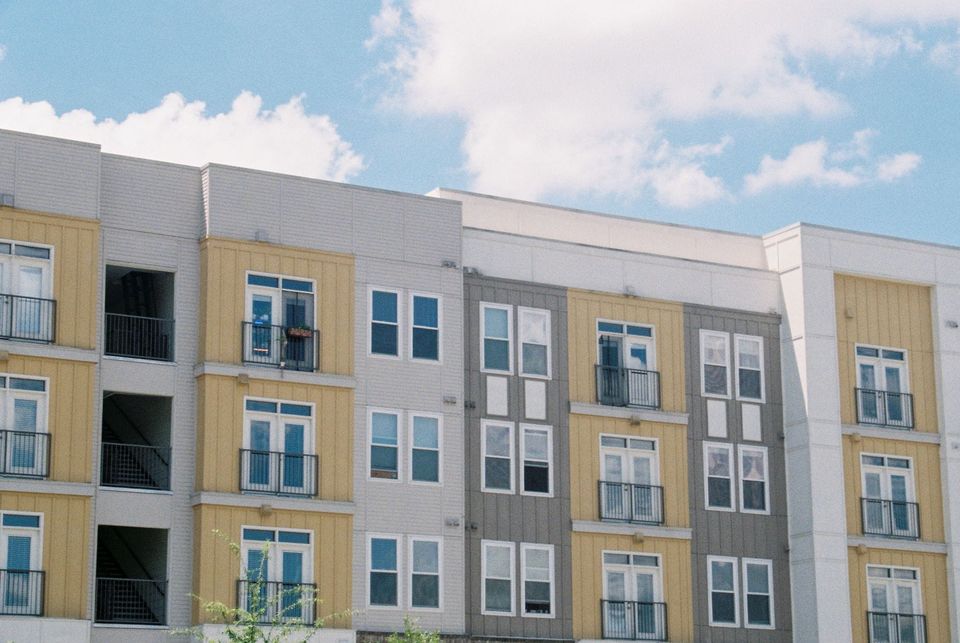
TL;DR
Is now a good time to buy a small apartment building in Salem-Keizer? Whether to buy depends entirely on whether a specific building's cash flow works at today's financing costs and rents, not on predictions about future rate or rent movement. Salem rents are essentially flat (up 0.4% year-over-year as of July 2026), 30-year residential mortgages for owner occupants sit around 6.95%, and commercial multifamily rates start at 6.13% for 5+ Unit properties, making today's math knowable and testable with a calculator and three real numbers: actual asking price, actual lender rate quote, and actual comparable rents.
- Run cap rate and cash flow math on today's verified numbers, not future forecasts; a deal that pencils now is worth buying regardless of rate direction later.
- Salem median rent at $1,277 is flat month-to-month and up only 0.4% year-over-year; do not project aggressive rent growth into your pro forma.
- Commercial apartment financing under 6.53% can beat residential rates this fall; shop both loan types before assuming commercial always costs more.
- Oregon's 2026 rent increase ceiling is 9.5% for existing tenants; know this caps your rent bump upside and verify the 2027 figure before closing deals that cross into next year.
I get some version of this question almost every week right now, usually from someone sitting on cash, watching rates, and wondering if they missed the window or if the window is even open. The honest answer is that "is now a good time to buy" is not a question anyone can answer for you as a prediction, because nobody knows where rates or rents go from here. What I can tell you is whether a specific building, at a specific price, with today's actual loan quote and today's actual rent roll, produces cash flow you can live with. That is not market timing. That is a math problem, and it is one you can solve this afternoon with a calculator and three real numbers.
Every "good time to buy" article you will find online answers the headline with a disguised forecast. Rates will ease next year, so lock in now before rents outrun you, or rents are softening, so wait for a better entry point. That is a guess dressed up as analysis, and I prefer not to play the guessing game. My rule for this blog and for my clients is the same: only real numbers belong in the conversation, verified comparable sales, prices of listings that are actually on the market, actual/existing rents and rates a lender has actually quoted you this week. So let's walk through what those real numbers actually say this fall, and then I will hand you the same tool I use to pencil a deal in about ten minutes.
Where Financing Actually Sits This Week
As of September 17, 2026, the 30 year fixed residential mortgage rate for owner occupants averaged 6.95%, up from 6.76% the week before and well above the 6.26% rates sat at a year earlier according to Freddie Mac. If you are financing a small multifamily property as a residential loan (a duplex, triplex, or fourplex you plan to owner occupy or finance conventionally), that is the number your quote is going to be built around this week, not next spring.
If you are moving into true commercial territory, a 5+ unit building financed as a commercial multifamily loan, the picture actually looks a little better. As of September 22, 2026, commercial mortgage rates for apartment loans start at 6.13% for properties over $6 million and 6.53% for properties under that threshold per Select Commercial. That gap between residential and commercial small multifamily pricing is worth knowing before you shop lenders, because a lot of buyers assume commercial money always costs more, and this fall that is not automatically true. If you want the fuller explanation of how these rates get set and why they move the way they do, I wrote about understanding how financing rates are set and what the Fed's decisions actually mean versus what people assume they mean. I also broke down the current rate environment for investors in more detail if you want the longer version.
None of that tells you where rates go next month. It tells you what a lender will actually quote you if you called one today. That is the only version of "the rate" that belongs in your spreadsheet.
What Salem Rents Have Actually Done So Far in 2026
Salem's overall median rent stood at $1,277 in the July 2026 Apartment List report, roughly flat month over month and up just 0.4% year over year according to Apartment List. That is not a rent market that is running away from anybody in either direction right now. It is close to flat, which means whatever cash flow a building produces on paper today is close to the cash flow it is likely to produce next year too, absent some individual change you make to the property or the unit mix. I would not plug in a 4% or 5% annual rent bump on a Salem or Keizer multifamily pro forma right now and call it conservative. The current data does not support it, and I do not write numbers I cannot verify. For more on how Salem's rental fundamentals compare to ownership right now, I covered that ground in rental market fundamentals in Salem-Keizer.
What's Actually Listed in Salem and Keizer Right Now
Small multifamily inventory in this market, meaning duplexes through small apartment buildings under roughly 20 units, tends to move in small batches rather than a steady flow. When I pull current listings for buyers right now, what I see is just under 30 total duplexes and triplexes priced primarily for owner occupants or first time investors, 6 total fourplexes, and 8 small apartment buildings ranging from 6-14 total units. These 'small apartments' typically pop up less often and get more attention when they do. That is not a statistic, it is just how this segment of the market behaves here, and it is the reason I tell first time buyers not to wait for a flood of options. If you are looking at your first purchase in the 2-4 unit owner occupant category, I walked through the whole process in buying a small multifamily property from first showing to closing.
The point of pulling current inventory is not to tell you whether prices are high or low. It is to get you a real asking price on a real building, because that is one of the three numbers your math actually needs.
Run Your Own Numbers: A Cap Rate and Cash Flow Snapshot Using Today's Figures

Here is the formula, in plain language, the same one built into the calculator on this page. You do not need me to tell you whether a deal is good. You need to plug in real numbers and let the math tell you.
- Effective gross income = monthly gross rent x (1 minus your vacancy assumption) x 12
- Operating expenses = property taxes + insurance + repairs and maintenance + management fee (if any) + other monthly costs, all annualized
- Net operating income (NOI) = effective gross income minus operating expenses
- Annual debt service = your loan payment (principal and interest, based on your actual rate quote, loan amount, and term) x 12
- Cash flow = NOI minus annual debt service
- Cap rate = NOI divided by purchase price
- Cash on cash return = cash flow divided by your total cash into the deal (down payment plus closing costs and any rehab reserve)
Say, purely as a hypothetical, you are looking at a fourplex listed at $650,000 with combined gross rent of $5,200 a month. You assume 5% vacancy and collection loss, so effective gross income is about $59,280 a year. Annual taxes run $6,200, insurance $2,400, repairs budgeted at $150 a month per door ($7,200 a year), and you self manage, so no management fee. Total expenses land around $15,800, which puts NOI at roughly $43,480. On a 25% down payment at 6.53% (a rate in the commercial range cited above) over 25 years, your debt service on the $487,500 loan runs close to $39,900 a year. That leaves cash flow of about $3,580 a year, a cap rate of 6.7%, and a cash on cash return of roughly 2.2% on your $162,500 down payment plus closing costs. Change the rate to 6.95%, change the rent to what a comparable unit is actually renting for down the street, change the price to what the seller will actually accept, and that number moves. That is the entire exercise. Nobody needs to predict a single thing to run it.
The One Number That's Already Set for You
One piece of this math does not require any guessing at all. Oregon's Department of Administrative Services set the 2026 maximum allowable rent increase at 9.5% under the state's rent stabilization law. That is the ceiling for existing tenants this year, not a target, and not a promise of what your specific units will support. The 2027 figure gets published in October, so if you are underwriting a deal with a closing date that slides into next year, know that number is coming and do not build a pro forma around a guess at what it will be. This is exactly the kind of detail a for sale by owner landlord can miss, and it is one more reason I tell people that these are the same laws that have shifted enough in the past six or seven years that an amateur can get hurt without meaning to.
The Objection: "But Rates Might Come Down"
The pushback I hear most is that if rates ease next year, waiting makes more sense than buying into a 6.95% or 6.5% quote today. Maybe rates ease. Maybe they do not. I am not going to pretend to know, and neither does anyone else writing about this right now. What I do know is that if a deal cash flows at today's rate on today's rent with today's asking price, you own an asset that is paying you in five ways at once starting on day one, monthly cash flow, long term appreciation nobody can promise but that has historically favored patient owners, equity growth from tenants paying down your loan, the tax advantages of depreciation and expense deductions, and diversification away from whatever else you hold. If rates drop later, you refinance. If they do not, you already bought a building that worked on its own numbers, not on a bet about the future.
So, Is Now a Good Time?
Now is a good time to buy the building whose math works today. It is a bad time to buy a building you are hoping will work once rates fall or rents catch up, because that is not analysis, that is a wish. Pull the actual asking price. Get an actual rate quote from a lender. Get actual comparable rents for the unit type and neighborhood. Run those three real numbers through the formula above and let the cap rate and the cash flow answer the question for you.
Questions people ask
What are the benefits of buying multifamily and investment property?
I tell every new investor the same five things, not in any particular order: monthly cash flow, long term appreciation, equity growth from tenants paying down your mortgage instead of you doing it alone, the tax advantages of deducting expenses, mortgage interest, property taxes, repairs, and management fees plus depreciation, and building wealth through diversification away from stocks or a single job income. Different buyers care about different ones, and that is fine. The point is you are getting paid back and building equity in multiple ways at once, not just waiting on appreciation.
How do you go about finding the market rent for certain properties?
I look at what comparable units, same bedroom count, similar condition, similar part of Salem or Keizer, are actually renting for right now, not what an app estimates or what an owner assumes their unit is worth. Public rent data like Apartment List's Salem numbers gives you a citywide baseline, but the real answer for a specific building comes from pulling actual comparable rentals currently on the market or recently leased nearby.
Are you able to help me find off-market deals?
I stay in touch with owners and other agents across Salem and Keizer, and small multifamily inventory in this segment often moves through relationships before it ever hits a public listing site. If you are serious about buying, the best thing you can do is have someone actively looking on your behalf, because a lot of these buildings never get broad marketing at all.
If you want to test a real listing instead of a hypothetical one, run it through the calculator above with the actual asking price, the actual rate a lender has quoted you this week, and the actual rents comparable units are getting. If the numbers pencil, that is worth a conversation. If they do not, that is useful information too, and it costs you nothing to find out before you write an offer.

Jordan Sparks
Principal Broker, Sparks Property Group at SMI Real Estate. Specializing in Multifamily and Investment property in Salem, Keizer, and the Willamette Valley. Licensed in Oregon, #200610098.
jordan@smire.com · 541.646.0650
Connect with Sparks Property Group ↗



Member discussion