Is a Home Warranty Worth It in Salem or Keizer? A Straight Answer

TL;DR
A home warranty is worth considering in Salem or Keizer only after your inspection and Oregon's seller disclosure statement have done their job, and primarily for older homes with aging systems, septic properties, or first-time buyers without repair savings. A warranty covers ordinary wear and tear on systems like HVAC and water heaters that fail after you own the home, typically costing $500-$700 annually plus $75-$150 per service call, but it never covers problems your inspection already found or pre-existing conditions.
- Home warranties are service contracts, not insurance; they cover future breakdowns from wear and tear, not existing issues found during inspection.
- Base plans typically cover HVAC, water heaters, plumbing, and appliances but often exclude septic systems and cap HVAC claims around $5,000.
- Negotiate repair issues during your inspection period before closing; no warranty will retroactively cover what was already failing when you bought.
- Ask the seller to pay for year-one coverage as a closing concession; this eliminates your downside risk entirely.
- A simple scoring tool: warranty makes sense with 4+ points (old systems, low savings, first-time buyer, or septic property), especially if seller covers year one.
Honestly, here's my straight answer: a home warranty is worth considering only after your inspection and Oregon's seller disclosure statement have already done their job. A warranty pays out for things that break later, ordinary wear and tear on your furnace, your water heater, your plumbing. It was never built to fix whatever your inspection report already found. If a buyer is thinking about skipping a hard negotiation over inspection findings because "we'll just get a warranty," that's the one thing I'd stop them on every single time.
That's the position I hold, and I've built my whole approach around it: writing an offer and opening the door for showings is a small part of my job. The real value shows up once the inspection report comes back and we have to figure out what's negotiable, what's a dealbreaker, and what's simply part of owning an older home. A warranty doesn't touch any of that. Let me walk through why.
What a Home Warranty Actually Covers (and What It Doesn't)
A home warranty is a service contract, not insurance. You pay an annual premium, and if a covered system fails from normal wear and tear, the warranty company sends a contracted technician and you pay a service call fee for the visit. Base plans typically cover HVAC, water heaters, plumbing, and major kitchen appliances.
What's usually excluded or sold as an add-on:
- Septic systems, often not included in a base plan at all
- Well pumps
- Pools and spas
- Pre-existing conditions, meaning anything that was already failing or improperly installed before your coverage started
That last one matters more than people realize. HVAC coverage under a typical plan is capped around $5,000 per claim, and septic systems are often excluded from base coverage and sold separately. So if you're buying an older Keizer home on a septic system and hoping a warranty is your safety net there, double-check that before you assume it's covered at all.
How Much a Home Warranty Actually Costs in 2026
Costs vary by plan tier and provider, but here's roughly what I see buyers quoted:
| Plan Type | Typical Cost | Notes |
|---|---|---|
| Basic monthly plan | $30 to $90 per month | Quoted nationwide as of January 2026 |
| Average annual plan | $500 to $700 per year | Industry average cited by American Home Shield |
| Comprehensive plan | roughly $1,200 to $1,400 per year | Broader system and appliance coverage |
| Service call fee | $75 to $150 per visit | Paid each time a contractor comes out, on top of the premium |
So a basic plan might run you around $600 a year, plus another $100 or so every time something actually breaks and you need someone out to look at it. That's before you even get into whether the repair is fully covered or capped.
Why a Warranty Isn't a Substitute for Oregon's Disclosure Statement or a Real Inspection
This is the part national cost-benefit articles skip entirely, and it's the whole reason I wanted to write this. In Oregon, sellers are required under ORS 105.465(2) to complete a property disclosure statement, but it's based only on the seller's "actual knowledge" and doesn't require them to have had an inspection done at all. That means a seller can honestly check "unknown" on a septic system they never had evaluated, or a roof they never climbed on. The disclosure statement tells you what the seller says they know. It is not a guarantee, and it's definitely not a substitute for hiring your own licensed inspector. That's the document that actually gets into the crawl space, tests the water pressure, and tells you what a roof or a sewer line's condition really is right now, not five years from now.
A warranty picks up after that. It covers what fails later from wear and tear, once you already own the home. It does not go back and cover a sewer line that was already failing at the time of your inspection, or a roof that was already past its useful life when you signed the purchase agreement. If your inspector flags it, that's a today problem, and today problems get negotiated before you close, not insured against after.
I had a buyer once whose inspection came back showing the home needed a new roof, a new sewer line, and a handful of smaller repairs, all after we'd already negotiated seller-paid closing costs and prepaids, so there wasn't a lot of room left to work with. We went through that report line by line, ranked what actually mattered, and negotiated the seller into fixing the roof, the sewer, and addressing drainage and electrical concerns before we ever got to the closing table. No warranty would have touched any of that. It had to be handled in the inspection period, full stop. If you want a longer breakdown of what an inspector actually looks at and what falls outside their scope, I wrote about that here: what a home inspector actually checks. And if your own report comes back longer than you expected, this is a good next read: how to handle inspection findings and repair requests.
Where a Warranty Tends to Pay Off for Salem-Keizer Buyers
Once the inspection has done its job and any real issues are resolved or priced into the deal, a warranty can genuinely make sense in a few situations I see often around here:
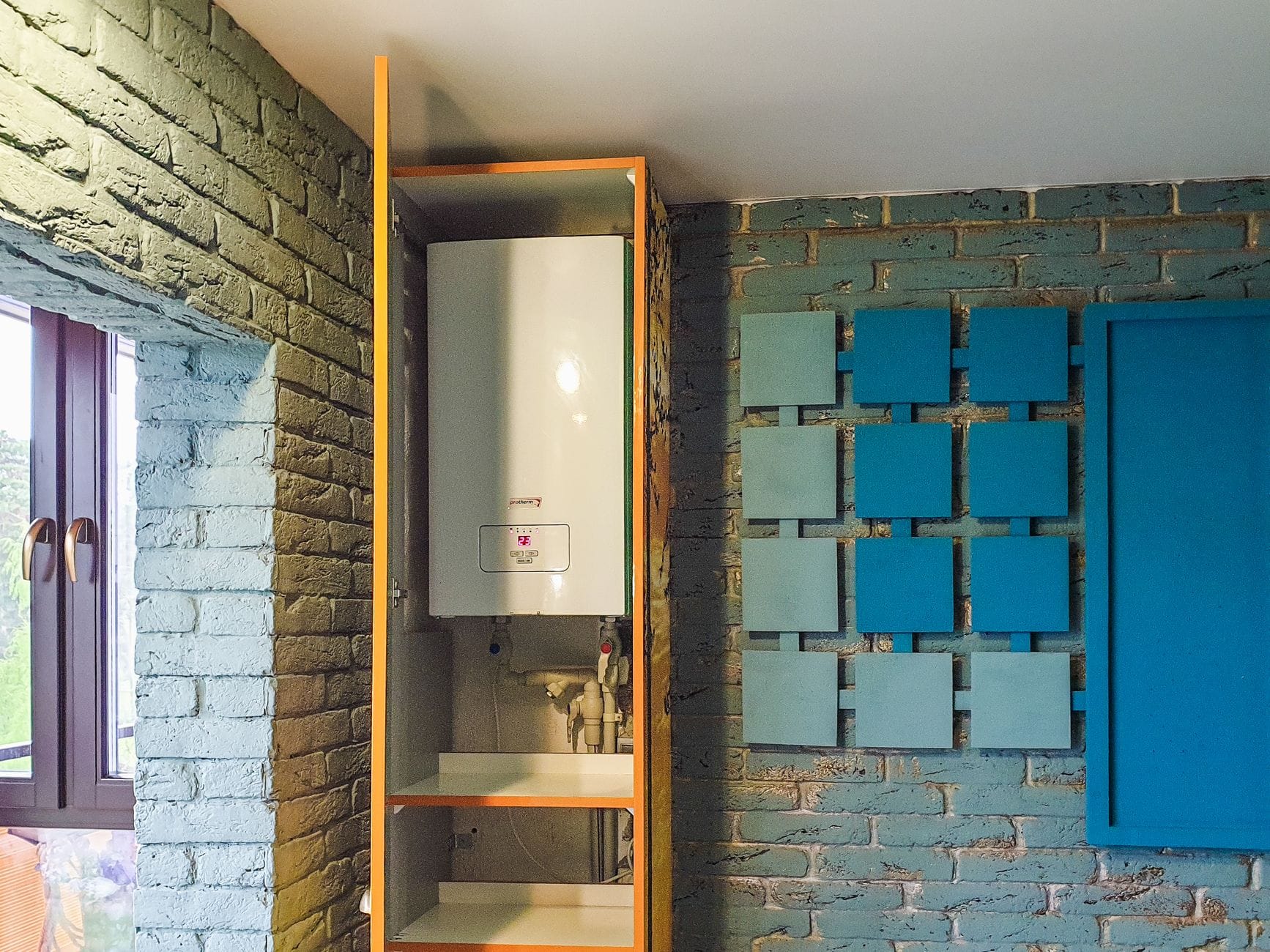
- Older Keizer homes with aging HVAC. A lot of housing stock here was built decades ago, and even a well-maintained furnace or heat pump has a limited lifespan. If your inspector notes the system is functional but nearing the end of its useful life, a warranty can soften the cost of a future replacement.
- Homes on septic systems. Septic-served properties are more common on Keizer's edges and in some of the surrounding rural pockets. Just remember, as I mentioned above, septic is often not included in a base plan, so you'd need to confirm it's actually part of your coverage before assuming it is.
- First-time buyers without a repair cushion. Only 32% of homeowners have money specifically saved for repair or maintenance costs. If you just used most of your savings on your down payment and closing costs, a warranty can act as a buffer while you rebuild that cushion. If you're in this stage, my broader first-time buyer guide covers a few other things worth thinking through: first-time buyer considerations.
When It's Just an Extra Bill
On the flip side, I'd think twice about a warranty if:
- Your home has newer systems (say HVAC and water heater under five years old) that already carry manufacturer warranties
- You have a solid repair savings cushion and would rather self-insure than pay a premium plus a service call fee every time something needs attention
- You're buying new construction, where most systems are brand new and covered by the builder for the first year or more
It's also worth knowing going in that 44% of home warranty holders industry-wide have reported a claim being denied or only partially paid. That's not a reason to write warranties off entirely, but it's a real reason not to treat one as a guarantee that a big-ticket failure will be fully handled.
Can You Get the Seller to Pay for a First-Year Warranty?
Actually, yes, and this is worth asking for. In the current Salem-Keizer market, sellers still have room to agree to closing concessions, and a first-year home warranty is a common, low-cost one for a seller to say yes to. If it's essentially free to you as the buyer, the "is it worth it" math changes completely. Worst case, you never file a claim and you're out nothing. That's a very different conversation than paying $600 a year out of your own pocket for a plan you're not sure you'll ever use.
A Simple Way to Score Your Own Decision
Rather than a generic "it depends," here's the framework I'd actually use with a buyer sitting across from me. Give yourself one point for each of these that applies to your situation:
- HVAC system is 10+ years old
- Water heater is 10+ years old
- Home is on septic rather than city sewer
- You don't have at least $3,000 set aside specifically for repairs
- This is your first home purchase
- Your inspection flagged any major system as near end-of-life
Then subtract two points if the seller has agreed to pay for the first year's warranty as part of your closing negotiation.
Say a buyer has an 11-year-old furnace, a 9-year-old water heater, city sewer, $1,500 in savings, and it's their first purchase, and their inspector flagged the furnace as near the end of its life. That's four points right there. If the seller isn't covering it, I'd call that a strong candidate for a warranty. If the seller is willing to pay for year one, it becomes close to a no-brainer, since the downside risk to the buyer is close to zero.
Zero or one point usually means you're paying for a plan you're unlikely to use. Two or three points, it's worth actually pricing out real quotes for your specific home. Four or more, especially with a seller willing to cover it, I'd lean toward yes. Keep in mind this is a directional tool, not financial advice, and I'd always run the actual numbers with your agent and your lender before deciding.
Questions people ask
Is this inspection report as bad as it looks? Should we ask the seller to fix this, or is that asking too much?
Honestly, every house has something on the inspection report, and a long list isn't automatically a reason to panic or walk away. What matters is what each item actually means, what it would cost to address, and whether it's reasonable to ask the seller to handle it before closing. That's the conversation I have line by line with every buyer, not just a quick skim of the summary page.
What happens if we find something wrong with the sewer, the roof, or another major item?
This is exactly the scenario a warranty doesn't cover, since it's a today problem, not a future breakdown. I've worked through this directly with a buyer whose inspection turned up both a roof and a sewer line needing replacement, and we negotiated the seller into fixing both before we closed. The inspection period is your leverage point here, use it fully before you sign off.
How do I know if I chose the right realtor, lender, and loan type?
I'd start by asking how each of them handles the inspection stage specifically, not just the offer stage, since that's where a lot of the real negotiating and problem-solving happens. A good lender should also be able to walk through whether a warranty, a rate buydown, or seller-paid closing costs makes more sense for your specific numbers. If any of those conversations feel rushed or vague, that's worth paying attention to.
A home warranty can be a smart, low-cost piece of your first year of homeownership. It is never a reason to skip a real inspection or back off a repair negotiation you're entitled to ask for. Get the inspection worked properly first, negotiate what needs negotiating, and then decide if a warranty makes sense for whatever's left. If you're weighing this decision on an actual home you're looking at in Salem or Keizer, I'm always happy to talk through the specifics with you, no pressure, just information. You can find my Linktree and reach out anytime at salemkeizerliving.com.

Hannah Fouts-Sparks
Broker, Sparks Property Group at SMI Real Estate. Licensed in Oregon. Serving Keizer, Salem, and the Willamette Valley.
Hannah@SparksPropertyGroup.com · 971.218.6225
Connect with Sparks Property Group ↗





Member discussion