
What to Do When Your Salem-Keizer Inspection Finds Something Big

TL;DR
If your Salem or Keizer home inspection finds something significant, you have three options: ask the seller to make repairs before closing, request a credit toward your closing costs, or walk away within your inspection contingency period. Before choosing any option, get real specialist bids (from a licensed roofer, plumber, electrician, or surveyor depending on the finding) rather than negotiating off the general inspector's note alone, then decide from a position of actual numbers instead of panic.
- Sort inspection findings into categories: safety/structural, major systems, moisture, cosmetic, and land questions to identify what actually matters.
- Get licensed specialist bids on major items before negotiating; a general inspector flags issues, but a specialist tells you the real cost.
- Walking away is warranted only if a licensed specialist confirms a disqualifying issue and the seller refuses to repair, credit, or adjust price.
- In Salem-Keizer's current market (August 2026), rising inventory gives buyers more negotiating room than tighter years, but sellers still receive near-asking prices.
- Most inspection reports look worse on first read than reality; organizing findings by urgency and cost typically reveals the house is still worth buying.
If your Salem or Keizer home inspection just turned up something scary, you have three real options: ask the seller to make repairs, ask for a credit toward closing, or walk away within your contingency period. Before you do any of those, though, the smartest move is almost always the same one I recommend to my own buyers: slow down, sort the findings by what actually matters, and get real numbers before you negotiate anything. A long report is not automatically a bad house. It is just a report.
Take a Breath: Why Every Salem-Keizer Inspection Report Looks Scary
In my experience, almost every inspection report, even on a home that shows beautifully, comes back looking longer and more alarming than the buyer expected. Inspectors are trained to document everything, from a missing GFCI outlet to a roof with 10 years of life left. That does not mean the house is falling apart. It means you now have information you did not have before, and information is what lets you negotiate from a position of knowledge instead of panic.
If you want a better sense of what an inspector is actually looking for (and what falls outside their scope entirely), I wrote a full breakdown here: understanding what inspectors actually look for. It is worth reading before you work through your own report line by line.
Step 1: Sort the Report Before You React to Any of It
The first thing I do with a buyer, every time, is go through the report together and sort findings into rough categories rather than reacting item by item. It usually looks something like this:
- Safety or structural items: foundation cracks, framing issues, anything the inspector flagged as needing immediate attention rather than "monitor"
- Major systems: roof, sewer line, electrical panel, HVAC, water heater
- Moisture or drainage: crawlspace moisture, grading issues, signs of past water intrusion
- Cosmetic or deferred maintenance: worn paint, older fixtures, a fence that needs a post reset
You know this step worked when you can look at the report and say, calmly, "these three things matter to me, these five don't." The mistake I see buyers make here is treating every line item as equally urgent, which is exactly how a 40 page report turns into a sleepless night.
Step 2: Get the Real Cost Before You Negotiate Anything
Once you know which findings actually matter to you, the next step is getting real numbers, not guesses. This is where I bring in outside professionals rather than pretending to have every answer myself. A general home inspector tells you something needs a closer look. A specialist tells you what it actually costs.
- Roof concerns: call a licensed roofing contractor for a bid, not just a repair estimate
- Sewer concerns: get a sewer scope from a licensed plumber
- Electrical concerns: bring in a licensed electrician
- Moisture or drainage: a contractor who specializes in drainage, not just the general inspector's note
- Boundary or setback questions: a licensed surveyor, and sometimes the city's planning department or a title company
You know this step worked when you are negotiating with an actual dollar figure and a licensed opinion in hand, instead of a vague line item that could mean $400 or $14,000 depending on who you ask. The mistake here is skipping the specialist and negotiating off the general inspector's flag alone, which tends to either overstate or understate what you are actually dealing with.
Step 3: Choose Repair, Credit, or Price Adjustment
Once you have real numbers, you are choosing between three tools, sometimes a combination of them:
- Repair request: the seller fixes the issue before closing, using their own contractor (with your right to reinspect)
- Credit toward closing: the seller gives you money at closing and you handle the repair yourself, on your own timeline, with your own contractor
- Price adjustment: the purchase price itself comes down to reflect the issue
How much room you actually have depends on the market you are buying in, and that is worth being honest about. Salem-Keizer homes sold for a median 99.7% of list price in August 2026, which tells me sellers are still receiving very close to their asking price on average, so I would not walk into a negotiation assuming a seller is desperate. At the same time, active inventory has been rising, giving buyers a bit more room to ask for repairs or credits than we saw in tighter years. You can see the full picture, including where months of supply and days on market stand right now, in what today's Salem-Keizer inventory means for your negotiating power. I would not treat rising inventory as a green light to lowball every seller, but it does mean a well documented repair or credit request has a reasonable chance of being heard.
A Local Scenario: A Roof and Sewer Surprise After the Money Was Already Spent
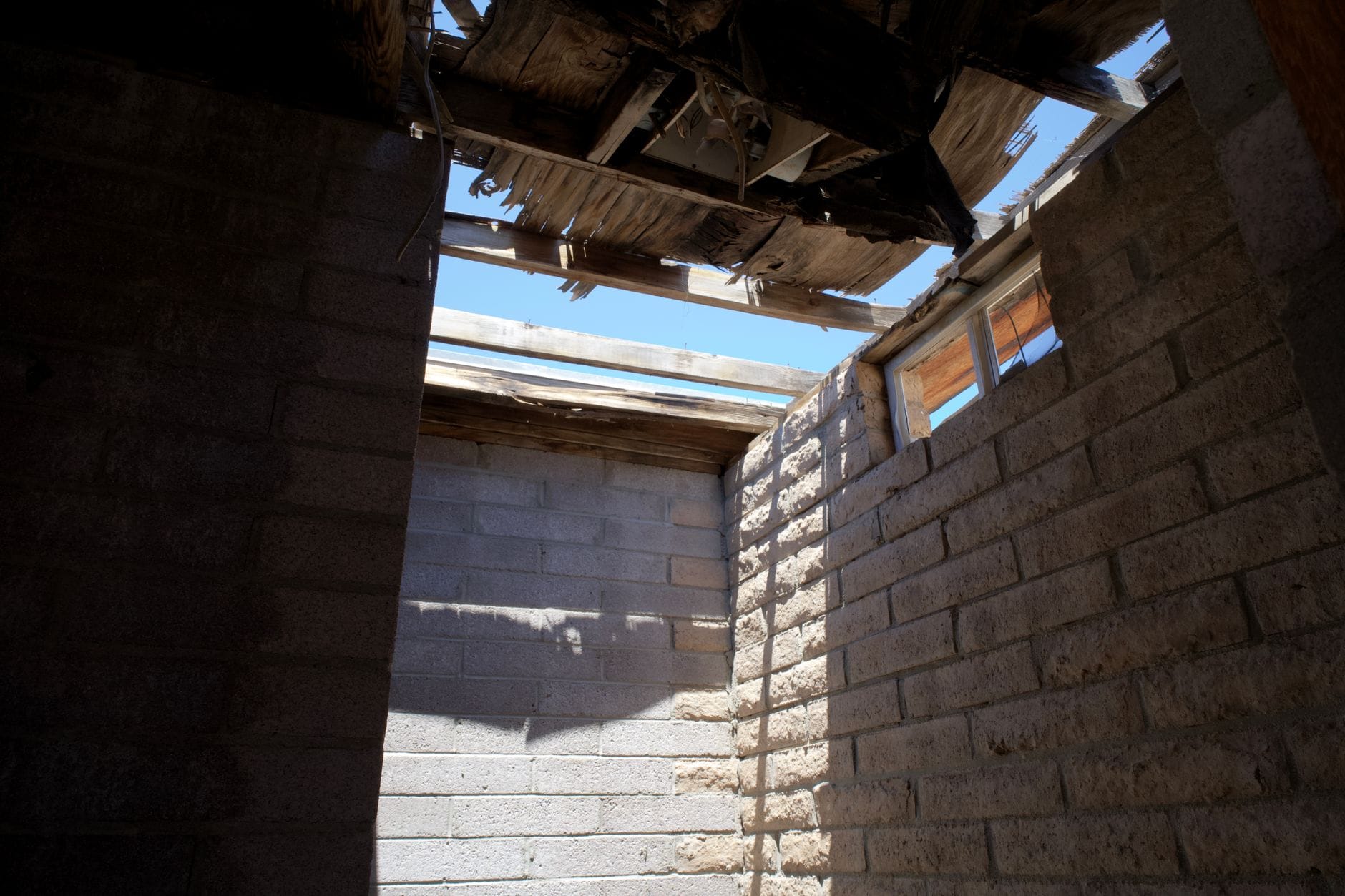
Here is a composite of a situation I see often enough to talk about openly, without identifying any specific buyer or property. A buyer negotiates seller paid closing costs and prepaids up front, which is smart and common in this market. Then the inspection comes back and reveals the home needs a new roof and a new sewer line, on top of some smaller electrical and drainage items. Suddenly there is very little negotiating room left, because the buyer already used their leverage on closing costs.
In situations like this, the work is not writing one repair request and hoping for the best. It is going line by line through the report, ranking what matters most to that specific buyer, then coordinating separately with the seller's agent on the roof, a plumber on the sewer scope, and an electrician on the panel concerns, all while keeping the contingency deadline in view. In my experience, this kind of situation can absolutely be resolved with everything repaired and verified before move in. It just takes treating the report as a project to manage, not a single yes or no decision.
A Local Scenario: When a Simple Sale Turns Into a Property Line Question
The other composite scenario worth mentioning involves land, not systems. A contract that looks straightforward, say on a smaller lot being sold as a possible tear down or flip, can get complicated fast once a boundary, setback, or land use question comes up. In one situation I worked through, every document we pulled and every question we asked seemed to generate three more questions rather than an answer.
This is exactly why I never make assumptions about a fence line or a long held belief about where a property ends. A survey, a conversation with the title company, or a call to the city's planning department can save a buyer from a very expensive assumption. I would rather ask one question too many here than one too few, because a boundary issue does not just affect what a repair costs. It can affect what you are legally allowed to do with the land at all.
When Walking Away Really Is the Right Call
I do not think a long report is a reason to walk away, and I say that often. But there are situations where walking away is genuinely the right move:
- A structural or safety issue that a licensed specialist confirms is significant, and the seller is unwilling to address it through repair, credit, or price
- A boundary, easement, or land use issue that changes what you can actually do with the property, and it cannot be resolved by your contingency deadline
- A major system issue combined with a seller who will not negotiate at all, leaving you to absorb a large, verified cost with no adjustment
The mistake I see buyers make is either walking away too early, before getting a specialist's real number, or staying in too long out of attachment to a house that has a genuinely disqualifying issue. Both come from skipping step two. Get the real cost first, then decide.
A Simple Way to Triage Your Own Report
If you want a quick way to sort your own report before you call your agent, here is the same logic I use, in plain language. For each item, ask two questions: what category is it in, and did the inspector flag it as "monitor" or "needs immediate attention"?
Here is a hypothetical example to walk through: say your report flags a roof as "monitor, 8 to 10 years remaining" and a sewer line as "recommend scope, root intrusion suspected, needs immediate attention." The roof, monitored and years from replacement, likely falls into the cosmetic or deferred maintenance bucket for now. The sewer, flagged as needing immediate attention, is a major system item that calls for a specialist's scope and bid before you decide between a repair request or a credit. If a report also mentions a fence that does not appear to match the surveyed line, treat that as a land question requiring a surveyor's opinion before you rely on it at all, no matter how long the fence has stood there.
This kind of sorting will not give you a final answer on its own. It will tell you which findings need a specialist's opinion before you negotiate, which ones you can likely proceed on as is, and which ones deserve a serious conversation with your agent about your options. Always confirm specifics with a licensed inspector, contractor, or your buyer's agent rather than relying on general categories alone.
If you are earlier in the process and want the fuller picture of how inspections fit into a Salem-Keizer purchase from offer to closing, this guide covers essential steps for first-time buyers navigating the inspection process. And if your timeline is tied to a school year move, this piece walks through timing your purchase with inspection timelines in mind.
Questions people ask
Is this inspection report as bad as it looks? Should we ask the seller to fix this, or is that asking too much?
Honestly, in my experience almost every report looks worse on first read than it turns out to be once you sort it by category and get real specialist numbers. Whether to ask for repairs, a credit, or nothing at all depends on what the specialist confirms it actually costs and what matters most to you as the buyer. I would not label a request as "too much" without that number in hand first.
What happens if we find something wrong with the sewer, the roof, or another major item?
You bring in a same trade specialist, a plumber for a sewer scope or a licensed roofer for a roof, and get an actual bid rather than negotiating off the general inspector's note. From there you decide between a repair request, a credit, or in some cases a price adjustment, all before your inspection contingency deadline passes.
What happens if the appraisal comes in low?
If the appraisal comes in below the agreed price, you generally have a few paths: renegotiate the price with the seller, bring additional cash to closing to cover the gap, dispute the appraisal with your lender, or in some cases walk away if your contract includes an appraisal contingency. Because this involves your specific loan terms, I would always talk it through with your lender directly rather than relying on general assumptions.
That is the honest, unhurried version of what happens after a big inspection finding: sort it, get real numbers, then decide with information instead of fear. Most of the time, the house you love is still the house you love once the report is worked line by line. If you are holding a report right now and could use a second set of eyes on it, feel free to get expert guidance on inspection findings and next steps. No pressure, just information, and a straight answer about what I would do in your shoes.

Hannah Fouts-Sparks
Broker
Hannah@SparksPropertyGroup.com
971.218.6225 CELL
503.390.6060 OFFICE
Sparks Property Group at SMI Real Estate | Serving Keizer, Salem, and the Willamette Valley





Member discussion