Oregon's Middle Housing Law: Can You Add a Unit in Salem?
TL;DR
Can you legally add a second unit to your Salem home? Yes, if your property is in the right zone and passes Salem's permit review for setbacks, lot coverage, parking, and infrastructure.
- Middle housing and ADUs are different; middle housing means fully separate units, ADUs are small structures behind existing homes.
- Contact Salem planning division first to confirm your zone and unit allowance; permit review is mandatory regardless of zoning.
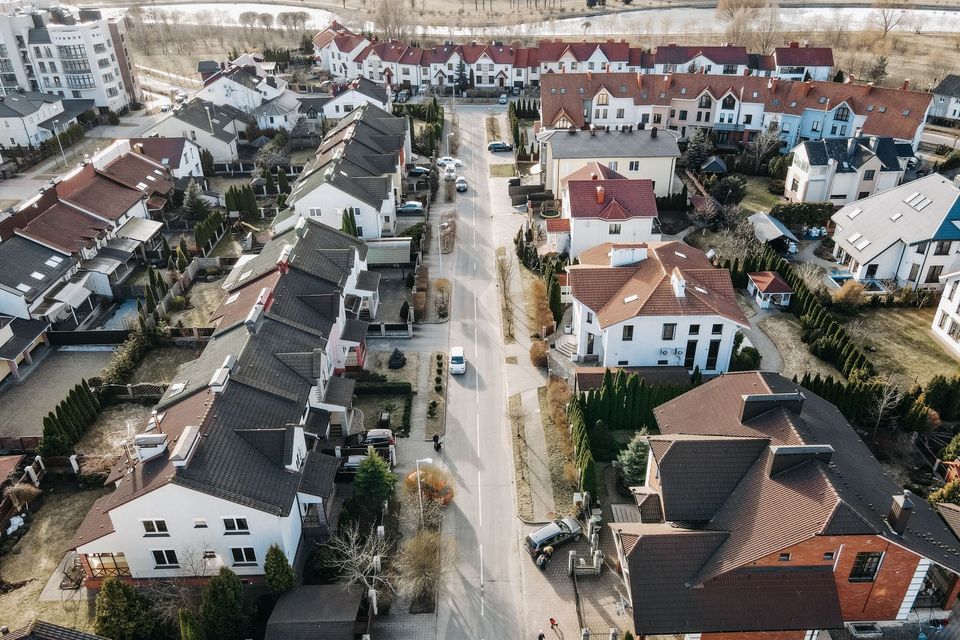
These days the idea of building an ADU or 'mother-in-law' suite has become popular talking point. Typically this topic of conversation pops up while standing in a client's driveway staring at a side yard or an old detached garage, while they wonder out loud whether they could turn their single house into more of an investment property. The short answer is yes, in most cases, if your property sits in a 'residential' zone and you clear the city's planning & building permit review process. Oregon passed a statewide law a few years back that forces larger cities, including Salem, to allow duplexes, triplexes, and sometimes fourplexes on residential lots that used to be zoned for one house and not much else. But "allowed" and "automatic" are two different words, and that gap is exactly where people waste months chasing a plan that was never going to work on their particular lot.
Here is the plain version. Oregon's middle housing law came out of the legislature in 2019 and required cities the size of Salem to rewrite their residential zoning so that land previously limited to single-family houses would also allow these smaller multi-unit building types, without the owner having to apply for a rezone first. Salem updated its code to comply, so if your lot sits in a residential zone that used to allow only one house, there is a real chance you can add a second unit, maybe a third or fourth, depending on the size of your lot & requirements for each additional unit. That is the headline. The fine print is where the actual work starts, and it is also where I tell every investor I talk to to stop guessing and go ask the people who actually make the ruling.
The city still reviews every one of these, every time
What the law does is remove the zoning barrier, it does not remove the permit process. Salem's planning division still has to sign off on setbacks, lot coverage, height limits, parking requirements where they apply, fire access, and whether the existing sewer and water lines can handle another unit or two. You are not getting a free pass to pour a slab wherever you want. You are getting the right to apply for something that used to be flatly off the table, and then the same kind of permit review that applies to any other residential construction in Salem or Keizer kicks in.
I compare this to going to see a dentist about a toothache. You do not diagnose the cavity yourself and then just show up asking for a filling, you go in, they look at the actual tooth, and then you find out what you are really dealing with. Middle housing works the same way. The law tells you the door is open. It does not tell you what is behind it on your specific lot, your specific soil, your specific sewer line. Only the City of Salem's planning division can tell you that, and that is exactly where I send people rather than guessing on their behalf.
Middle housing and an ADU are not the same conversation
This is where I see the most confusion. An accessory dwelling unit, the small cottage or converted garage behind an existing house, runs under its own separate set of rules and has been legal in Salem for a while now. Middle housing is a different animal entirely, it is about adding fully separate units, duplex style or more, often by reconfiguring or replacing the structure itself rather than tucking something small behind it. Some properties are good candidates for one path, some for the other, and some honestly are not great candidates for either once you look at lot size and access. If you want a sense of what a finished second unit actually looks like on a property, it is worth looking at what a finished ADU setup looks like near downtown Salem, and separately at a home with ADU potential in Keizer, just to get a feel for the physical layout question before you get into the zoning question.
Why an investor should care about this beyond the permit
I do not think middle housing is interesting because it is a legal curiosity. I think it is interesting because it changes the math on properties that used to be flat single-family comps. A lot that can legally support a duplex is worth evaluating differently than one that cannot, because you are now looking at monthly cash flow from a second rented unit, long term appreciation on a property that does more than one job, equity that a second tenant is helping pay down, tax advantages on a larger share of expenses and depreciation, and a genuinely different diversification profile than a single rental house. Those are the same five reasons I walk through with every new investor who calls me about multifamily, and middle housing just opened that door on properties that never used to qualify.
That also means the underwriting changes. Adding a unit is construction, and construction needs financing that looks different from a plain residential mortgage, so before anyone gets attached to a floor plan I walk them through financing options for multi-unit properties so they know what a lender will actually want to see before they spend money on drawings. If this is your first time thinking about owning more than one unit under one roof, it is also worth reading through how a first time buyer approaches buying a duplex in Salem or Keizer, because a lot of the due diligence steps are the same whether you are buying an existing duplex or creating one out of a single-family lot.
How I'd check whether my own lot qualifies
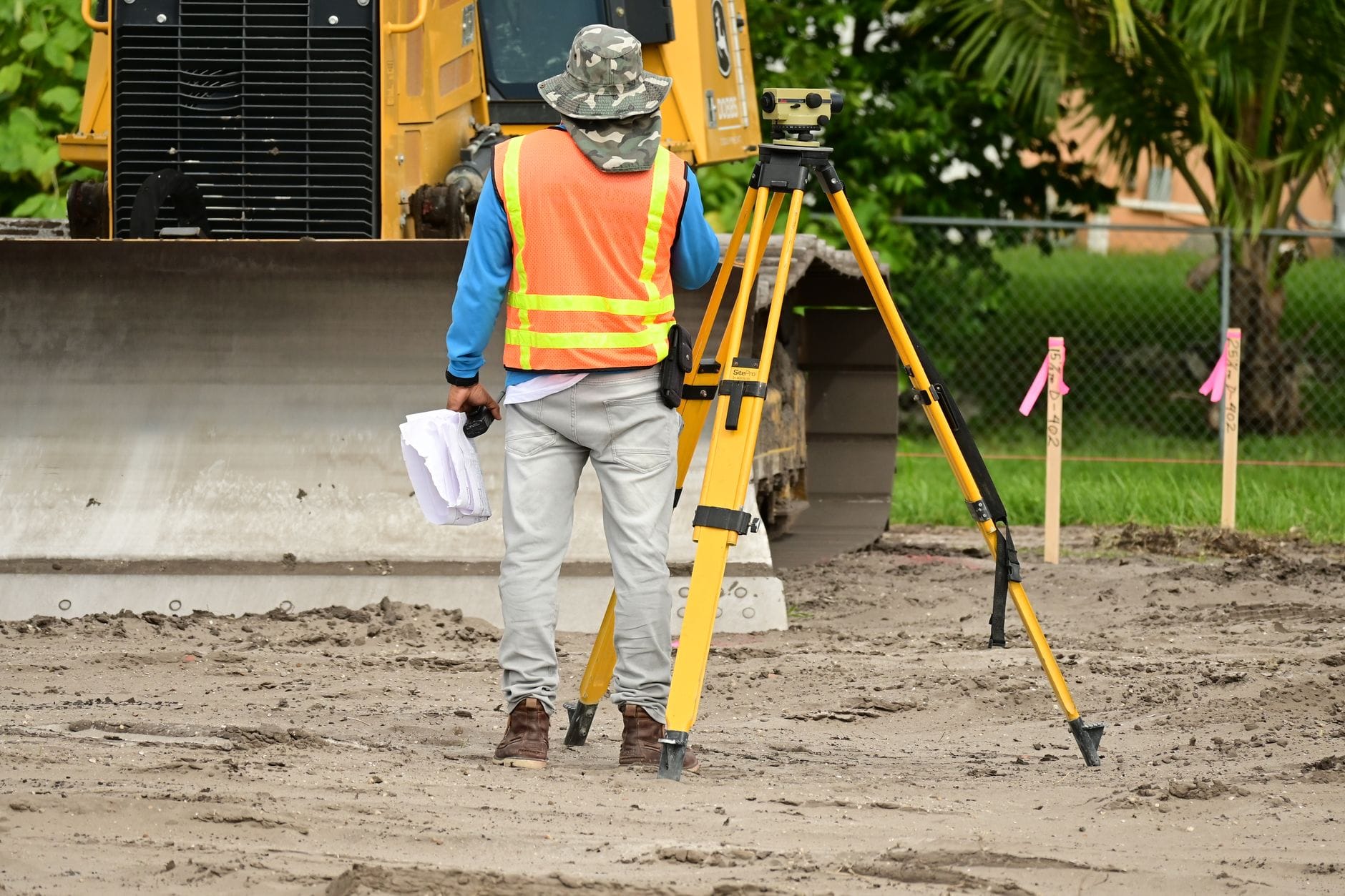
If I were standing in that driveway myself, here is the order I would do things in. First, I would pull up my property through the City of Salem's planning division and confirm the current zoning designation, because the middle housing allowance depends on it. Second, I would check with the planning, zoning & building departments directly to determine the feasibility of adding an ADU vs. adding a 2-4 unit structure... since an ADU eligible lot and a 2-4 Unit eligible lot do not have the same requirements. Third, I would get a real read on lot coverage, setbacks, parking requirements will affect my project. Finally, determine whether the existing water & power on site should be separately metered or if you are able to tie into the existing services, because that is often the item that quietly kills a project nobody budgeted for. None of that is legal advice, and I am not going to pretend to interpret a municipal code section for you over a cup of coffee, that conversation belongs with the city's planning staff or a land use attorney, not with your real estate agent.
Where I come in is after you know what you are allowed to build. That is when the question turns into a numbers question, cap rate, construction cost, what rent the new unit might actually command, and whether the project beats just buying an existing duplex outright. For that comparison, it helps to look at recent duplex sales prices in your area pulled from WVMLS, since that tells you what a finished product costs on the open market versus what you might spend building one from scratch on your own lot.
Questions people ask
What are the benefits of buying multifamily and investment property?
I open almost every first conversation with a new investor the same way, and I do not rank these in order because different buyers care about different ones. You get monthly cash flow, long term appreciation, equity growth from a tenant helping pay down your mortgage instead of you doing it alone, tax advantages including deductions for expenses, property taxes, repairs, management fees and depreciation, and a way to diversify your wealth outside of a single asset. Middle housing just means those same five benefits are now available on more lots than they used to be.
How do you go about finding the market rent for certain properties?
I look at what comparable units are actually renting for nearby, the condition and size of the unit, and what amenities it offers compared to those comparables, rather than guessing or pulling a number out of the air. If you are adding a brand new unit through a middle housing project, that research matters even more, because you are deciding how much to spend on finishes based on what the market will actually pay for that extra bedroom or bathroom, not on what you hope it will pay.
Do you have contractors that you recommend?
I work with investors throughout the construction and permitting side of these projects regularly enough that I can point people toward contractors who have actually built middle housing units in Salem before and know the city's process, rather than someone learning it for the first time on your project. That said, I always tell people to get more than one bid and confirm licensing and references themselves before signing anything, the same way you would with any contractor on your largest asset.
If you are sitting on a lot in Salem or Keizer and wondering whether it qualifies, the first call is to the City of Salem's planning division, not to me, because they are the only ones who can tell you what your zone actually allows. Once you have that answer in hand, that is when I can help you figure out whether adding a unit actually makes financial sense compared to buying one that is already built.

Jordan Sparks
Principal Broker, Sparks Property Group at SMI Real Estate. Specializing in Multifamily and Investment property in Salem, Keizer, and the Willamette Valley. Licensed in Oregon, #200610098.
jordan@smire.com · 541.646.0650
Connect with Sparks Property Group ↗





Member discussion